
77 % liked it · 1959 · 94 min
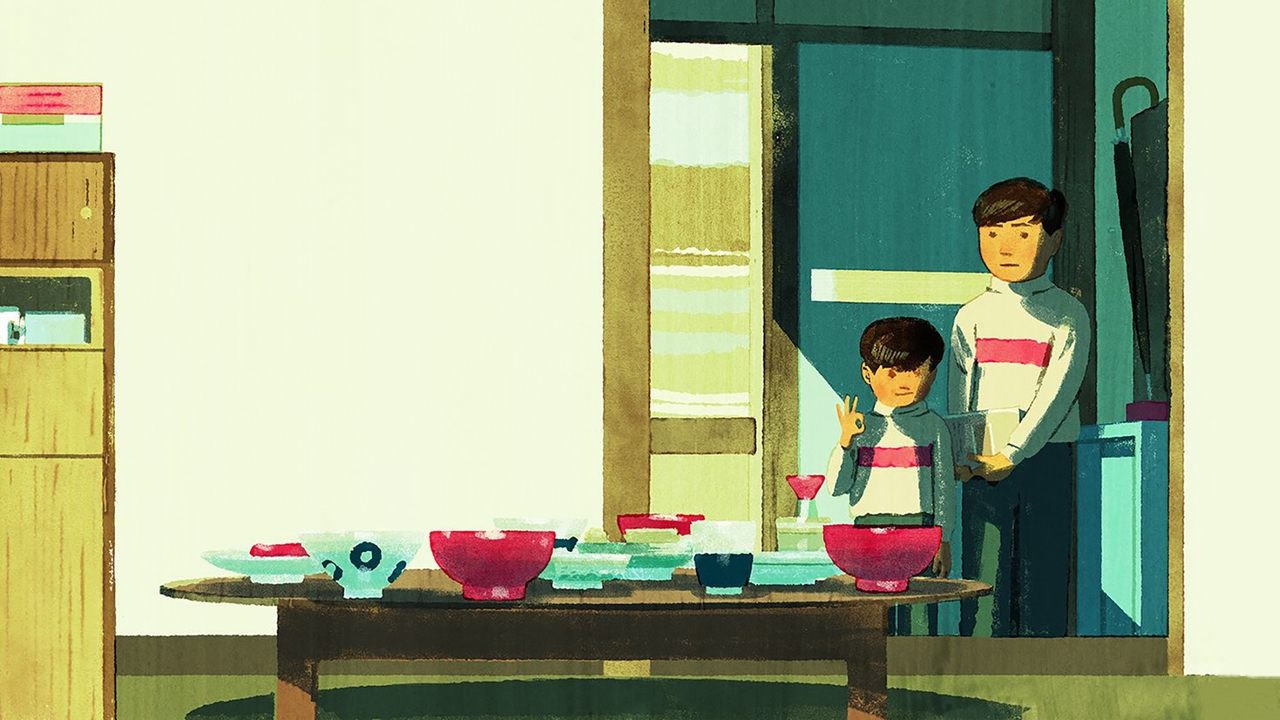
Good Morning
Two boys beg their parents for a television set, nagging them until all patience is lost. The parents order the boys to be quiet and the boys do exactly that--refusing to utter a word. The boys'…
CinemaOS
155 Japanese live-action films, 1951 to 2026, chosen for the whole household.
TOP 10 Films
Browse all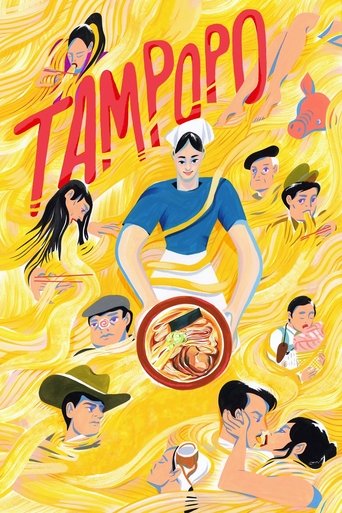 Tampopo1985 · ★ 7.8
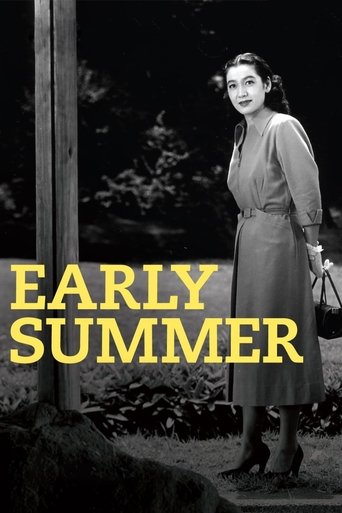 Early Summer1951 · ★ 7.8
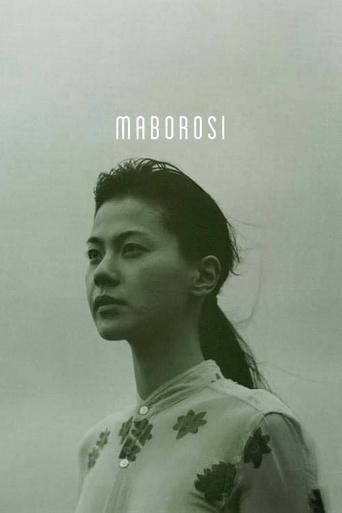 Maborosi1995 · ★ 7.5
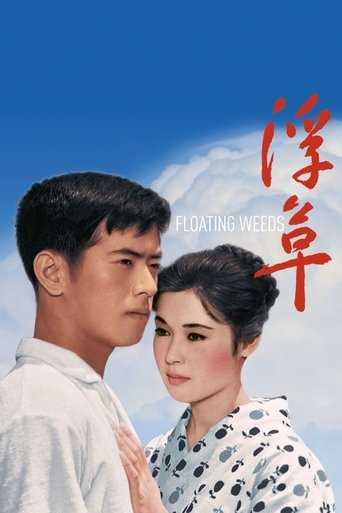 Floating Weeds1959 · ★ 7.5
 Madadayo1993 · ★ 7.3
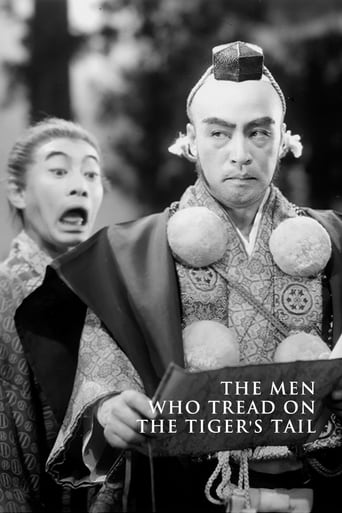 The Men Who Tread on the Tiger's Tail1952 · ★ 6.7
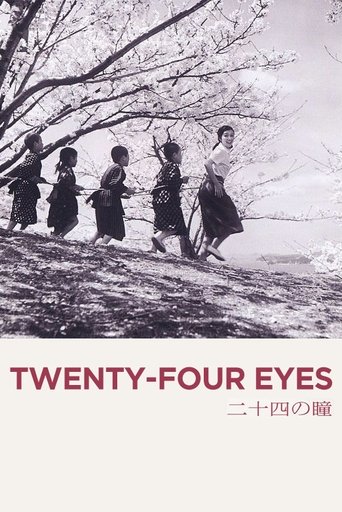 Twenty-Four Eyes1954 · ★ 7.7
 Princess Yang Kwei-fei1955 · ★ 6.7
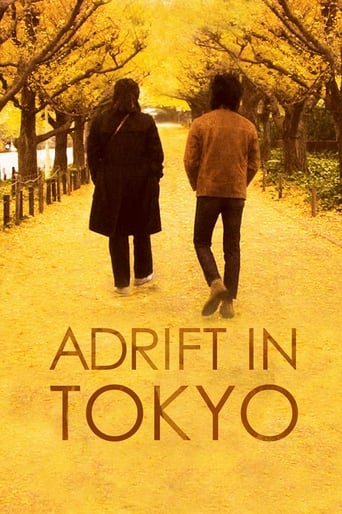 Adrift in Tokyo2007 · ★ 7.1
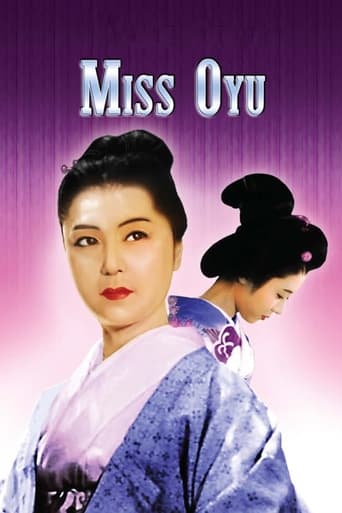 Miss Oyu1951 · ★ 7.2
Lists
DramaComedyRomanceFantasy and time travelClassicsSchool and youthHome and familyFood and cookingMusic and the artsJourneys and placesGames and contestsBefore 19701970 to 19992000 to 20092010 to 20192020 onwardsTop rated
Classics
View all


Home and family
View all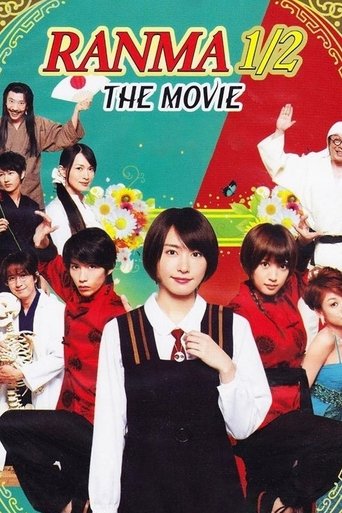
School and youth
View all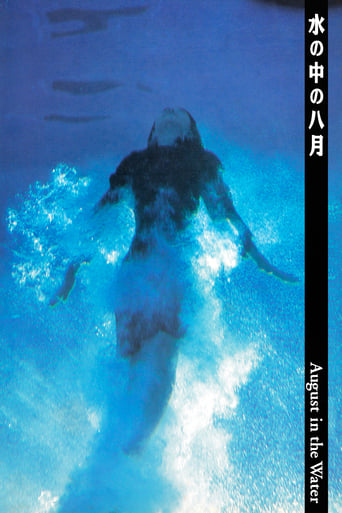
Romance
View all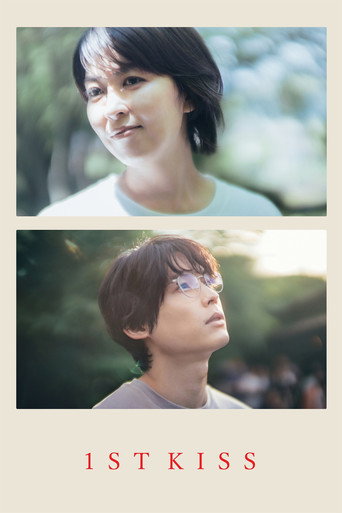
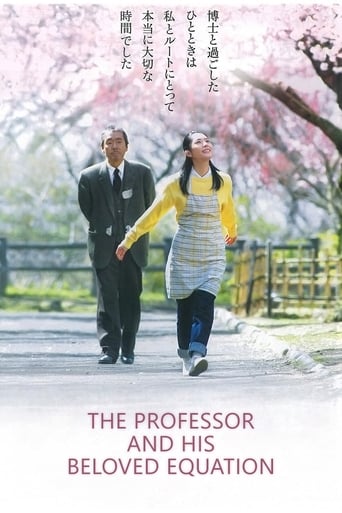
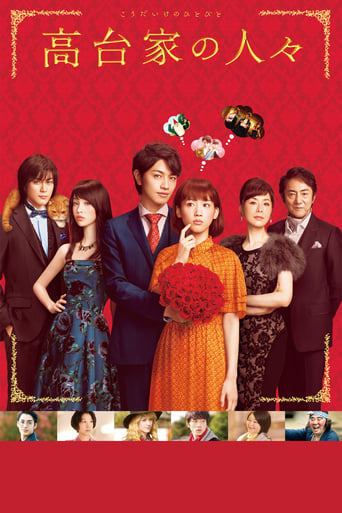
Fantasy and time travel
View all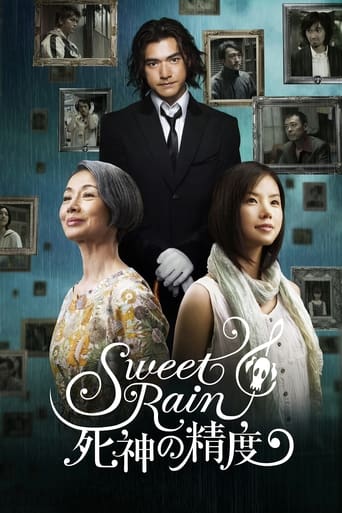
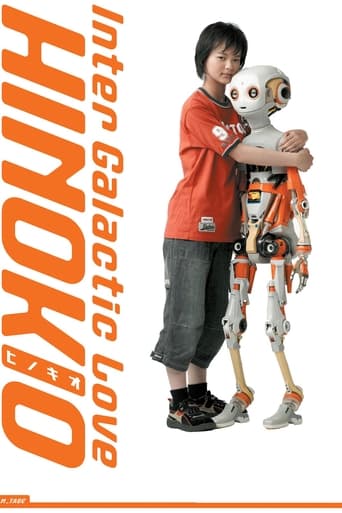

Music and the arts
View all



The CinemaOS guide to Japanese films
CinemaOS: Japanese films for the whole household, from Good Morning, Early Summer and Twenty-Four Eyes to Tampopo, Madadayo and Chihayafuru: Part III
Japanese cinema is known abroad chiefly for two things, its animation and its films of swordsmen. Between them lies a third tradition, older than either and still thriving: the film of ordinary life. Its subjects are a daughter weighing a proposal of marriage, two small boys who want a television set, a schoolteacher and her twelve pupils, a widow learning to make a perfect bowl of noodles. Its masters, Yasujiro Ozu and Mikio Naruse among them, are counted with the greatest directors anywhere, and its modern heirs fill Japanese cinemas every year with stories of families, classrooms and second chances. CinemaOS is a guide to 155 of these films, made between 1951 and 2026. Each has its own page, its story, its director and cast, and a Watch now button that leads to the official services carrying it in your country.
The catalogue has been chosen for the whole household. Every summary was read by hand, and the selection keeps to family stories, comedy, romance, school life, gentle fantasy and films about food and the arts. Sword films, gangster pictures, horror, films of the battlefield and adult dramas were left out, and all the films are live action. What remains includes a neighbourhood thrown into confusion when two brothers stop speaking, a teacher who cycles to a village school in a western dress, a retired professor whose former students give him a birthday party every year, and a high school club devoted to a card game of medieval poems.
This guide starts with the classics of the fifties, moves on to families, schools, food and fantasy, and finishes with the newest films. Three are proposed for a first evening on the way, and the final sections deal with directors, the language, search and My List. All film titles are links, and the text is in English for viewers anywhere.
What CinemaOS offers
CinemaOS is a viewing guide. Each of its 155 film pages carries a poster, a still, the story in a paragraph, the year, the running time, the director, the principal cast, and the Japanese title beside the English one. Beneath them sits one button, Watch now, which opens JustWatch for the country you select and shows the subscription, rental, purchase and free services that carry the film there. The guide itself holds pages of information, and the playing of every film happens on those official services.
By kind, 136 of the films are dramas, fifty-two are comedies, forty are romances and twenty are fantasies or works of gentle science fiction. Thirty-five are classics made before 1990. Seventy-six are stories of home and family, forty-five are set in schools and universities, fifty-six concern musicians, painters, writers and performers, thirty-six are journeys or portraits of particular places, eleven turn on games and contests, and ten are about food.
By period, twenty-four films date from before 1970, twenty-two from 1970 to 1999, twenty from the 2000s, forty-seven from the 2010s and forty-two from 2020 onwards. The home page opens with a wide featured picture carrying a score badge and the film's title in large type. Beneath it a row headed TOP 10 sets the ten most watched films beside large outlined numerals, a block of chips leads to the lists, and rows of six posters follow for classics, home and family, school and youth, romance, fantasy and time travel, and music and the arts.
A first evening
Three films make good first choices. Good Morning, made by Yasujiro Ozu in 1959, is the most cheerful film of a director famous for quiet ones. In a new suburb of small houses set close together, two brothers want a television so that they can watch the sumo wrestling. Their father tells them they talk too much. They answer that grown-ups talk all day and say very little, good morning, fine weather, where are you off to, and they go on strike: from now on, total silence. The strike spreads misunderstanding up and down the street, where the housewives are already at odds over some missing club dues. Shot in glowing colour, it is a comedy about what small talk is for, and children love it.
Tampopo, made by Juzo Itami in 1985, calls itself a noodle western. Two lorry drivers pull up on a rainy night at a run-down noodle shop kept by a young widow, Tampopo, whose broth is, frankly, poor. The elder of the two, a man in a cowboy hat who knows his soup, agrees to train her, and assembles a team of unlikely experts to help. Between the lessons the film wanders off into short comic scenes about the pleasures of eating. A few of these are meant for grown-ups, so it suits older viewers; for them it is one of the most purely enjoyable films ever made about food.
The Friends, made by Shinji Somai in 1994, is a summer film. Three boys of about twelve, curious about what it means to grow old, decide to keep watch on an elderly man who lives alone in a tumbledown house with a wilderness for a garden. He catches them at it, and puts them to work. They weed, paint and plant cosmos seeds, and he, played by the great Rentaro Mikuni, begins to talk. It is a tender, unhurried film about a friendship across seventy years, and a good one to watch with children of the boys' own age.
Classics of the fifties and sixties
Thirty-five films were made before 1990, and the classics guide sets them out by director. Ozu has three. Early Summer, from 1951, is among his very finest. Noriko, played by Setsuko Hara, is twenty-eight, works in an office in Tokyo, and lives contentedly with her parents, her brother, his wife and their two small sons. Her family and her employer agree that it is high time she married and produce a candidate. Noriko smiles, listens, and in the end makes a choice of her own that surprises everybody. Little happens by the standards of other films; a whole household and its affections are set before the viewer with a fullness few directors have matched. Floating Weeds, from 1959, follows a troupe of travelling players to a harbour town where their leader has an old attachment and a grown son.
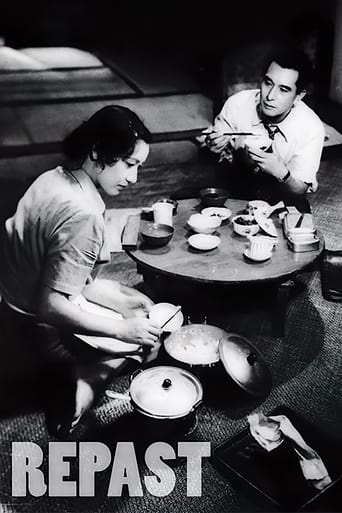
Mikio Naruse, whose reputation has risen steadily, made films about women managing on too little money. In Repast, from 1951, also with Setsuko Hara, a wife in Osaka, worn down by housekeeping, takes stock of her marriage when her husband's lively niece comes to stay. Sudden Rain and A Wife's Heart, both from 1956, look at young couples, the second with Toshiro Mifune in an unaccustomed gentle part as a bank officer. Two in the Shadow, from 1967, his last film, brings together a man and a woman whom an accident has linked.
Twenty-Four Eyes, made by Keisuke Kinoshita in 1954, is the film that Japanese audiences have loved most. In 1928 a young teacher, Miss Oishi, arrives at a village school on an island in the Inland Sea, riding a bicycle and wearing western clothes, to the scandal of the parents. She has twelve first-year pupils, twenty-four eyes. The film follows her and them for eighteen years, through poverty and the hard years of the forties, to a reunion of those who remain. Hideko Takamine plays the teacher, and the children are played by pairs of real brothers and sisters, so that they seem truly to grow up. It is long, and it has made generations weep. The same director's She Was Like a Wild Chrysanthemum is a memory of first love in the countryside, seen through oval frames like old photographs.
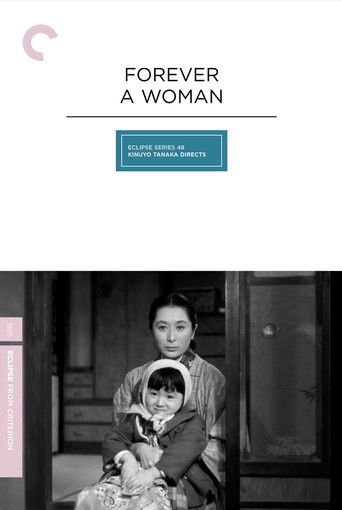
Other classics worth knowing: The Rickshaw Man, which won the Golden Lion at Venice in 1958, with Mifune as a rough, warm-hearted rickshaw puller who becomes the protector of a widow and her small son; Her Brother, by Kon Ichikawa, about a sister who looks after her wayward younger brother; Where Chimneys Are Seen and An Inn at Osaka, two humane films by Heinosuke Gosho about people getting by in the big cities; Miss Oyu and Princess Yang Kwei-fei, two romances by Kenji Mizoguchi, the second in exquisite colour; and Forever a Woman, directed by the actress Kinuyo Tanaka, about a poet who finds her voice late.
Akira Kurosawa is represented by two films from either end of his career. The Men Who Tread on the Tiger's Tail, made in 1945 and released in 1952, runs under an hour: a lord and his retainers, disguised as monks, must talk their way past a border post, helped and hindered by a chattering porter. Madadayo, from 1993, was his last. A professor of German retires to write, and each year his former students gather to give him a birthday party at which they ask in chorus whether he is ready to go, and he replies, glass in hand, with the title's two words: he is still here. It is a film about gratitude, friendship, a lost cat, and growing old in good company.
Tora-san and Yoji Yamada
One director links the classic period to the present. Yoji Yamada, born in 1931 and still at work, has six films in the catalogue. Tora-san, Our Lovable Tramp, from 1969, began the longest series in cinema history, forty-eight films with one star, Kiyoshi Atsumi. Tora-san is a travelling pedlar in a checked jacket who comes home after twenty years to his aunt and uncle's sweet shop in an old quarter of Tokyo, upsets his sister's marriage prospects, falls in love with a woman who thinks of him as a friend, and takes to the road again. Every later film repeated the pattern, and audiences went twice a year, as to a family gathering.
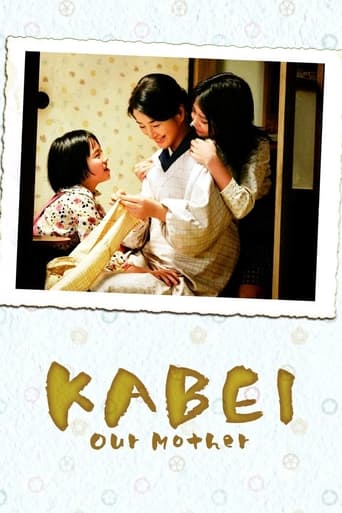
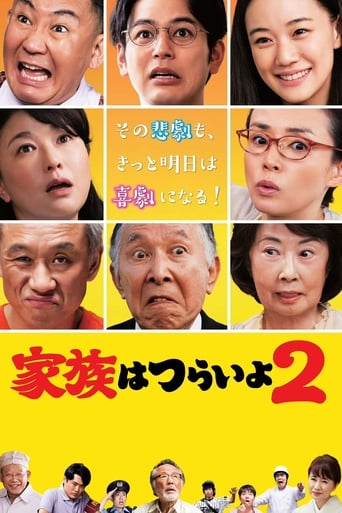
Where Spring Comes Late, from 1970, follows a miner's family the whole length of Japan, from a southern island to a dairy farm in Hokkaido, by train and ferry. My Sons, from 1991, is about a widowed farmer in the north and his two sons in Tokyo, the younger of whom has fallen in love with a girl who is deaf. Kabei: Our Mother, from 2008, is a mother's story, set in a Tokyo household from 1940 while the father is away. About Her Brother is a homage to the Ichikawa film of fifty years before, and What a Wonderful Family! 2 is a modern comedy about three generations under one roof and a grandfather who ought to give up driving.
Home and family
Seventy-six films are stories of home, and the home and family guide groups them. Many recent ones are about parents in old age, a subject Japanese cinema treats with unusual honesty and tenderness. In Chronicle of My Mother, a successful novelist who has long believed that his mother gave him away as a child learns, as her memory fades, what really happened. In A Long Goodbye, two daughters and their mother accompany a retired headmaster through seven years of his slow forgetting, with a good deal of laughter along the way. A Hundred Flowers tells a similar story from a son's side. In Takano Tofu, an old tofu maker in the port of Onomichi, who rises before dawn with his daughter to soak the beans, sets about quietly finding her a husband.
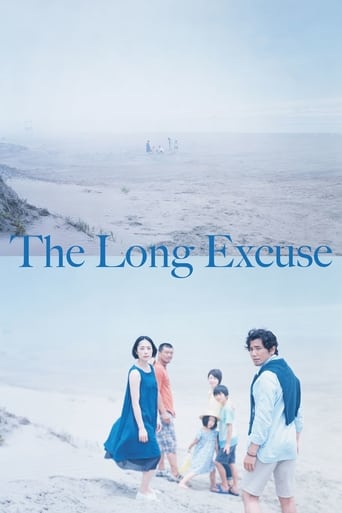
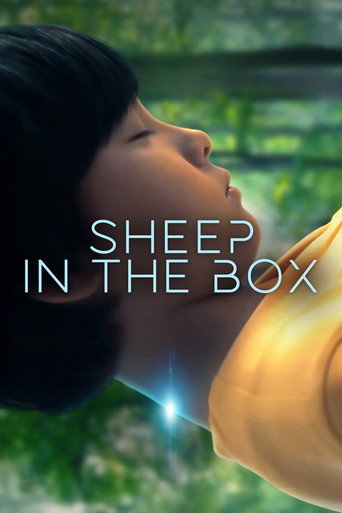
Others are about families that have to be built. Dear Etranger is the story of a man doing his patient best as stepfather to two girls. In Our Departures, a young widow takes her stepson to her late husband's home town in the far south, meets a gruff father-in-law who drives trains, and decides to train as a driver herself. The Long Excuse has a self-absorbed writer find a purpose in looking after another man's children. Sheep in the Box, made by Hirokazu Kore-eda in 2026, imagines a couple of the near future who welcome a humanoid robot into their home as a son.
Animals are part of the family too. The Travelling Cat Chronicles is narrated by Nana, a former stray, as he and his owner drive around Japan visiting old friends. Star Watching Dog and 7 Days of Himawari & Her Puppies are for viewers who are prepared to cry over a dog. And in School Days with a Pig, based on a real experiment, a young teacher and his class of eleven-year-olds raise a piglet for a year, and must then decide together what is to become of her; the classroom debates were unscripted, and they are remarkable.
School and youth
Forty-five films are set among students, and the school and youth guide introduces them. Japanese school life revolves around clubs, and the club film is a genre of its own. Chihayafuru: Part III, from 2018, concludes a trilogy about competitive karuta, a game in which players race to snatch cards bearing the second halves of a hundred classical poems as the first halves are read aloud. It sounds sedate and plays like a sport, with training camps, rivalries and a national final; the film scores 8.3 and can be enjoyed on its own. Haruta & Chika is about reviving a school wind band, Silver Spoon about a city boy at an agricultural college in Hokkaido who learns where breakfast comes from, and On the Edge of Their Seats takes place entirely in the stands at a school baseball game, among four students who would sooner be elsewhere.
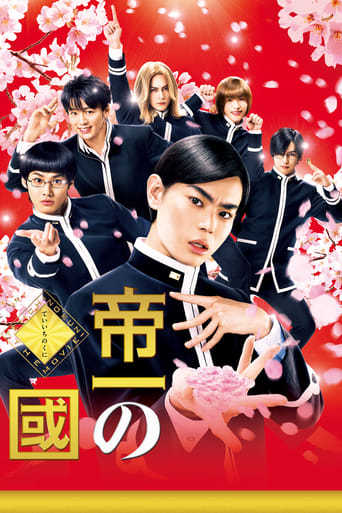
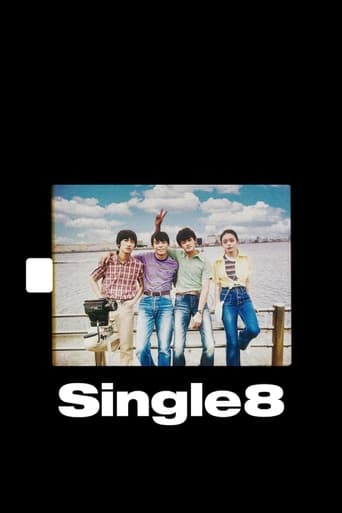
School comedies are broad and good-natured. In Teiichi: Battle of Supreme High, a boy whose ambition is to be prime minister begins with the election for student council president at an elite academy, and treats it with the gravity of a war of succession. Ouran High School Host Club is a farce about a scholarship student among the very rich, and Ranma ½ a slapstick fantasy about a martial arts student with an inconvenient curse. Single8, from 2023, is set in the summer of 1978, when a boy who has just seen a famous space film persuades his class to make one of their own with a home movie camera.
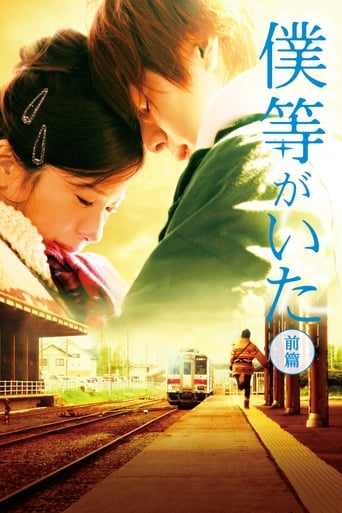
The romances of first love are a large and popular shelf: Honey Lemon Soda, Waiting For Spring, We Were There: First Love, Only You Can Hear Me and the live-action Whisper of the Heart among them. The Anthem of the Heart is about a girl who has stopped speaking and is cast in the class musical. One Summer Story, by Shuichi Okita, sends a swimmer and a shy boy from the calligraphy club on a seaside quest, and is as fresh as its title. For university students there are Someone, about five friends hunting for their first jobs, and Nemurubaka: Hypnic Jerks, about two room-mates, a bookshop and a band.
Food and cooking
Ten films are about food, and the food and cooking guide lists them. Beside Tampopo stands Udon, from 2006, in which a would-be comedian comes home from New York in debt to his father's noodle workshop in Kagawa, the home of the thick white noodle, and starts a magazine column about the tiny, hidden shops of the district; a nationwide craze follows. The Solitary Gourmet, from 2025, brings to the cinema a much-loved television character, a travelling salesman who eats alone and with complete attention; here he crosses Japan and the sea in search of the ingredients of a soup remembered from an old man's childhood. Grande Maison Paris follows a Japanese chef pursuing a third star in the French capital, and Mio's Cookbook a young cook in old Edo.
Obayashi and the town of Onomichi
Nobuhiko Obayashi deserves a section of his own. Born in Onomichi, a port of steep lanes, temples and ferries on the Inland Sea, he came to features from advertising and experimental film, and he returned to his home town again and again to make films about being young there. Five of his works are in the catalogue. They share a look, part memory and part fairground, with painted skies and tricks borrowed from silent cinema, and a tone of affectionate nostalgia that Japanese audiences treasure. The Girl Who Leapt Through Time and Switching – Goodbye Me are both set in the town, The Rocking Horsemen a little along the coast, and The Island Closest to Heaven carries the same wistful mood to the South Pacific.
The town itself has become a place of pilgrimage for film lovers. Ozu filmed there in the fifties, and Takano Tofu, from 2023, shows that its slopes and its harbour still serve a story well. A viewer who watches two or three of these films in a row will come away with a map of Onomichi in mind, and very likely a wish to climb its stone steps.
Growing old
Few national cinemas pay as much attention to the old as the Japanese. Beside the films about memory already described, there is A Last Note, made in 1995 by Kaneto Shindo when he was himself eighty-three, in which a veteran stage actress spends a summer at her mountain cottage and receives a series of unexpected visitors; it was the farewell performance of Haruko Sugimura, who had acted for Ozu forty years before. Buddies, with Ken Takakura, is about a friendship between two men and one wife that has lasted since their youth. In BL Metamorphosis, a widow of seventy-five wanders into a bookshop, buys a comic for its pretty cover, and strikes up a friendship with the shy schoolgirl at the till who loves the same series; it is one of the sweetest films of recent years.
The young and the old meet repeatedly in these stories, as they do in The Friends and Haru's Journey. In Until the Break of Dawn, a schoolboy learns from his grandmother, played by Kirin Kiki, a delicate family calling. In Goodbye to Our Kindergarten, five small children set off alone by train to visit a friend in hospital, and the adults who chase them learn something about their own priorities.
Short and unusual films
A handful of films stand apart from the rest. Ako, from 1964, is a half-hour sketch by Hiroshi Teshigahara of one day in the life of a sixteen-year-old girl who works in a bakery, filmed in the streets with a restless camera. The Moon, seven minutes long, is an experimental piece in which moonlit landscapes move as in a dream. Mirrored Mind and August in the Water, both by Gakuryu Ishii, are meditative films, the second about a high-diving champion and a summer of strange weather in the city of Fukuoka. Blessing Bell, by the director who signs himself Sabu, follows a man who has just lost his job as he walks silently across a city for a day and a night, changing the lives of those he passes.
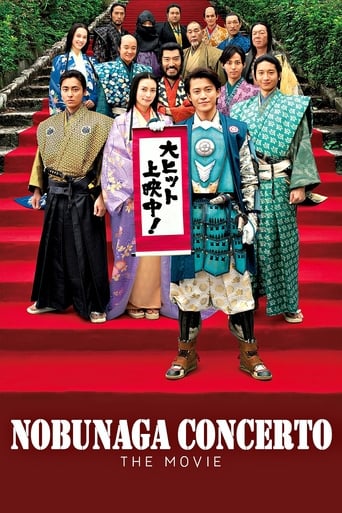
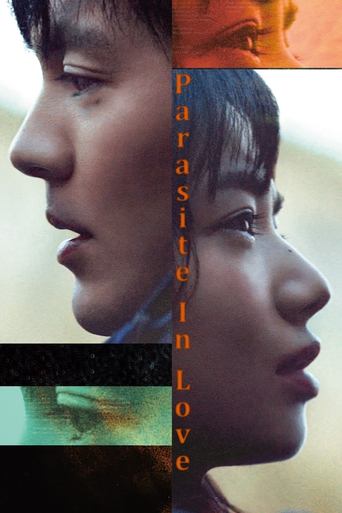
Then there are the films that mix kinds. The Kodai Family is a romantic comedy about an office worker with a vivid imagination and a colleague who can hear every word of it. Fortuna's Eye and Parasite in Love are romances with a fantastic premise, She Taught Me Serendipity a campus love story with a change of key halfway through, and Nobunaga Concerto: The Movie a time-travel comedy in which a carefree schoolboy takes the place of a famous lord of the sixteenth century whom he happens to resemble. Control Tower, barely an hour long, is about two lonely teenagers in the far north who start a band.
What unites all of these, the classics and the comedies, the club films and the stories of old age, is attention. Japanese film-makers are willing to watch a meal being prepared, a letter being written or a train pulling out of a country station for as long as the moment deserves, and they trust the audience to watch with them. Viewers who are new to this cinema often remark that the films feel calm, and that the calm stays with them afterwards. It is a good quality in a film chosen for the end of a busy day, and CinemaOS has been arranged so that such a film is always close at hand.
Fantasy and time travel
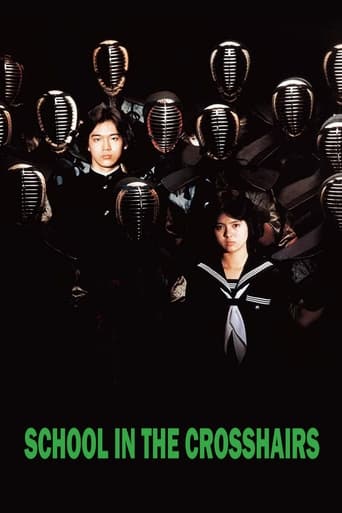
Twenty films add a touch of the impossible to everyday life, and the fantasy and time travel guide sorts them. The founding work is The Girl Who Leapt Through Time, made by Nobuhiko Obayashi in 1983 from a famous novel. A schoolgirl in the old hillside port of Onomichi faints in the science laboratory amid a scent of lavender, and finds afterwards that she is living some days twice. The film made a star of Tomoyo Harada and has been remade many times; this first version, with its steep lanes and tiled roofs, has a charm the others lack. The same director returned to the town for Switching – Goodbye Me, and made School in the Crosshairs, a cheerfully strange tale of a girl with unusual powers and a sinister new classmate.
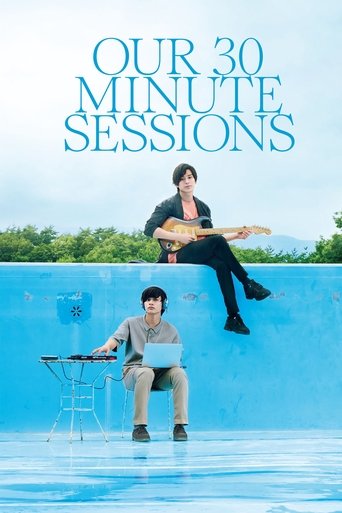
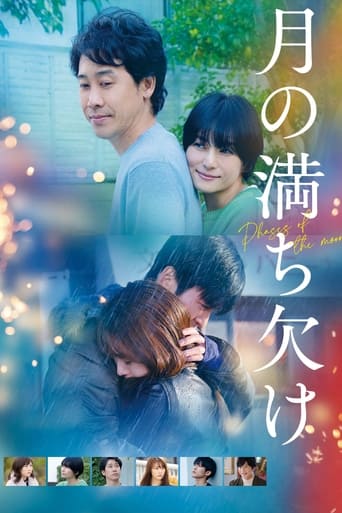
Recent films use the device for love stories. In 1st Kiss, from 2025, a woman whose long marriage had grown cold finds herself carried back to the summer day, fifteen years earlier, when she and her husband first met. In My Beloved Stranger, a man wakes in a world where his wife is a famous singer to whom he is a stranger. In Phases of the Moon, a bereaved father is visited by a stranger with an extraordinary story, and in Our 30-Minute Sessions, a shy student finds that playing an old cassette lets its late owner, a musician, borrow his body for half an hour at a time, just long enough to try to bring a band back together.
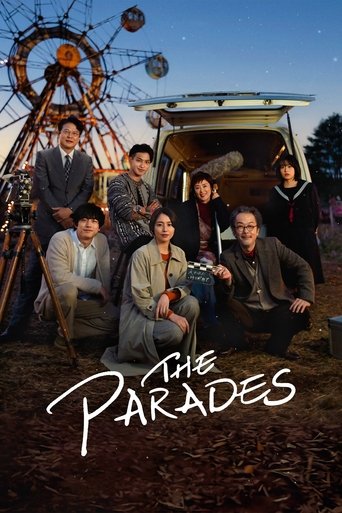
Robots and visitors make up the rest. Hinokio: Inter Galactic Love is about a boy who stays at home and sends a remote-controlled robot of cypress wood to school in his place. In the comedy Robo-G, three engineers whose walking robot has broken on the eve of a trade fair hire a retired man of seventy-three to climb inside the casing; he proves a great success and a great handful. Sweet Rain: Accuracy of Death stars Takeshi Kaneshiro as a polite official from the next world who loves music and brings rain wherever he goes. Angel concerns a winged visitor seen only by the lonely, and The Parades imagines a gentle waiting place where those who have left things unfinished look out for one another.
Comedy
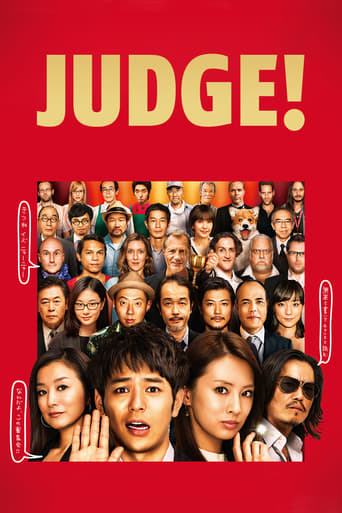
Fifty-two films are comedies, and the comedy guide picks the brightest. Workplace comedy is a Japanese speciality. In Judge!, a hapless young advertising man is sent to sit on the jury of an international festival under orders to make sure his agency's dreadful noodle commercial wins a prize. In Project Dreams - How to Build Mazinger Z's Hangar, based on a real exercise, the publicity team of a construction company sets out to cost, in earnest and to the last bolt, the underground base of a giant robot from a cartoon of the seventies. Kiba: The Fangs of Fiction is a fast, clever film about an editor fighting to save his magazine, and Hit Me Anyone One More Time has the most unpopular prime minister in Japanese history lose his memory and begin, to general astonishment, to behave decently.
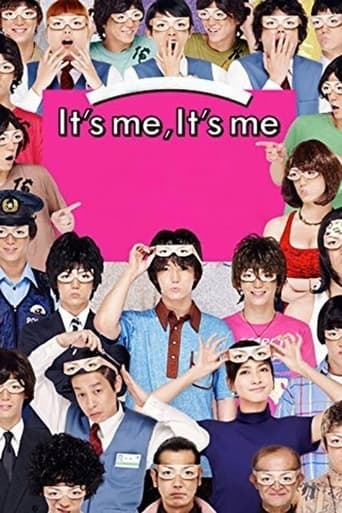
Gentler comedies include Fancy Dance, in which a young rock musician must spend a year as a novice in a mountain monastery in order to inherit the family temple, and finds that he rather takes to it; What Happened to Our Nest Egg!?, about a careful housewife whose savings are eaten away by a wedding, a funeral and a mother-in-law; It's Me It's Me, an odd fable about a young man who meets more and more versions of himself; Adrift in Tokyo, a walking tour of the capital in the company of a student and a man with a debt to collect; and Messengers, which turns a fashion executive into a bicycle courier.
Romance
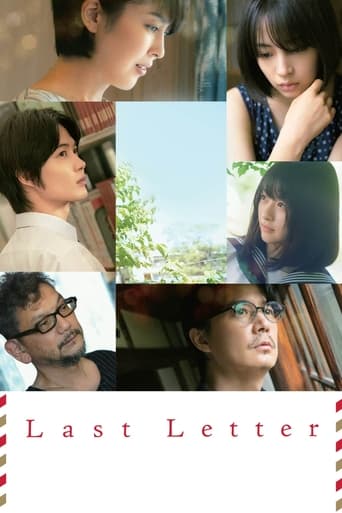
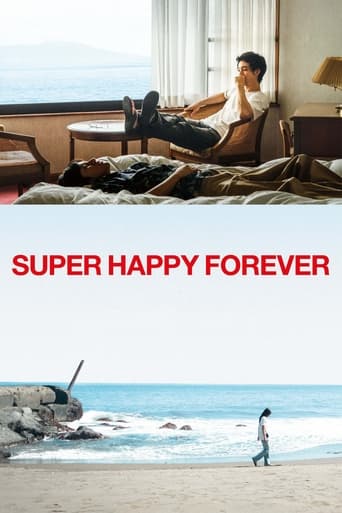
Forty films are love stories, and the romance guide arranges them. Japanese romance favours distance, letters and things left unsaid. Last Letter, made by Shunji Iwai in 2020, begins when a woman attends a school reunion in place of her late sister and is mistaken for her by a man who once wrote the sister love letters; a correspondence starts, and two generations are drawn in. Summer Blooms turns on a letter that arrives three years late. In Little Nights, Little Love, a man conducting a street survey in Sendai meets a woman with the word shampoo written on her hand, and the film follows them and their friends for ten years. Say Hello for Me reunites three childhood friends, and Super Happy Forever returns to a seaside hotel where a couple met.
Older romances have a different grain. The Rendezvous, from 1972, is the story of a man and a woman who meet on a train along the winter coast, each with a reason for travelling that the other only slowly learns. I Hate But Love sends a television star and his manager across the country in a jeep. The Long Darkness is a serious, beautiful film about a student and a waitress who decide to marry in spite of their families' troubles. Among recent films, Silent Love and Secret: A Hidden Score are both about pianists, and What Is Love? and Over the Town, both by Rikiya Imaizumi, are wry, talkative studies of young people in Tokyo who like one another slightly more or slightly less than they are liked.
Music and the arts
Fifty-six films are about artists and performers, and the music and the arts guide picks through them. Classical music is taken seriously in Japan, and filmed with flair. Nodame Cantabile in Europe continues a hugely popular story of two music students, an exacting young conductor and an untidy, brilliant pianist, as they move to Paris and Prague. Listen to the Universe follows four contestants through the rounds of an international piano competition, and the playing, by real concert pianists, is thrilling. Kyrie, by Shunji Iwai, is about a street singer whose voice is her only speech. The Rocking Horsemen, by Obayashi, is set in 1965 in a small town on the Inland Sea, where a schoolboy hears a guitar instrumental on the radio and forms a band; it is one of the happiest films here.
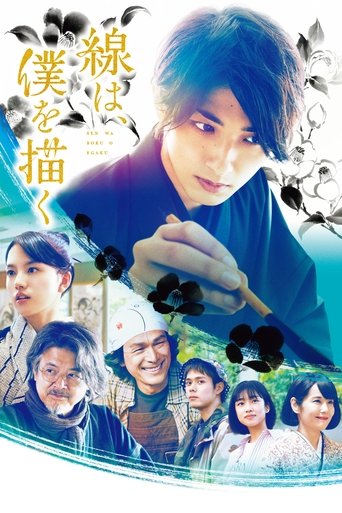
Painters are the subject of Mori, The Artist's Habitat, which spends a single summer day of 1974 with a painter of ninety-four who has hardly left his garden in thirty years and knows every ant in it; Tsutomu Yamazaki and Kirin Kiki play the artist and his wife, and the film is a small miracle of contentment. The Lines That Define Me is about a student who takes up painting in black ink under an old master. Sharaku imagines the life of the mysterious printmaker who drew the actors of the kabuki stage for ten months in 1794 and then vanished from the record. Look Back, from 2026, follows two schoolgirls who draw comics together.
Traditional performance appears in Aka Medaka, about a boy apprenticed to a master of rakugo, the art of the seated comic storyteller who plays every part with a fan and a hand towel, with Takeshi Kitano as the formidable teacher. The cinema looks at itself in The Last Dance, by Juzo Itami, about a film director in hospital; in Red Post on Escher Street, about the open auditions for a new film and the crowd of hopefuls who turn up; and in the short A Girl, She Is 100%, taken from an early story by Haruki Murakami.
Journeys and places
Thirty-six films are journeys or portraits of places, and the journeys and places guide maps them. Japan is a long country, and its films make full use of that. Haru's Journey takes an old fisherman, played by Tatsuya Nakadai, and his granddaughter from a village in Hokkaido down the main island, calling on one relative after another. Dearest, with the great Ken Takakura in his last part, sends a widower by camper van from the snow country to a port in the far west, to scatter his wife's ashes in the sea she came from. Letter from the Mountain, the highest scored of all at 8.2, is about a couple who leave Tokyo for the husband's native village in the Nagano mountains and the old woman who keeps the wayside shrine there.
The public bathhouse is a favourite setting. In Yudo, two brothers inherit their father's bathhouse in a small town; one wants to sell the land, the other to stoke the boiler, and the regulars have opinions. In Mio on the Shore, a quiet girl from the lakes of Nagano comes to Tokyo and finds work in a bathhouse that is soon to close. Riverside Mukolitta is about a young man who moves into an old block of flats by a river, and the neighbours who insist on sharing his rice. The Zen Diary follows a writer through a year in a mountain cottage, cooking what the season offers.
A few films go much further. Alone Across the Pacific, made by Kon Ichikawa in 1963, recreates the voyage of a young man who sailed a small yacht from Osaka to San Francisco in ninety-four days. The Island Closest to Heaven takes a shy schoolgirl to New Caledonia, and Nanayo a young woman to a house in the Thai forest where people of several languages learn to understand one another. Tokyo Pop, from 1988, reverses the direction: a young singer from New York arrives in Tokyo with a few dollars in her pocket and joins a local rock group.
Games and contests
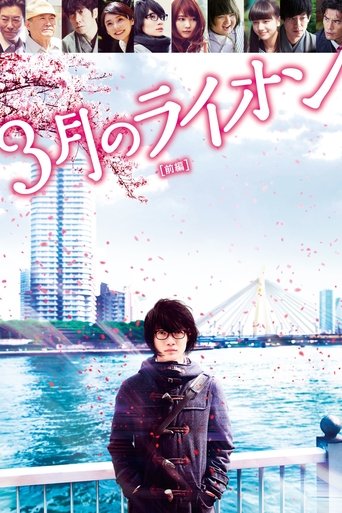
Eleven films turn on a game or a contest, and the games and contests guide explains them. March Comes In Like a Lion and its second part, March Goes out Like a Lamb, are about a seventeen-year-old professional player of shogi, the Japanese form of chess. He lives alone by a river in Tokyo, and the films follow his matches and, more warmly, the three sisters across the bridge who feed him and draw him into their household. I Will Buy You, made by Masaki Kobayashi in 1956, is a sharp, surprising film about professional baseball scouts competing to sign a college star. In Brave Father Online - Our Story of Final Fantasy XIV, a son who has hardly spoken to his father in years befriends him in disguise inside an online game.
Working lives
Work is a constant theme. The Great White Tower, from 1966, sets two doctors against each other in a university hospital, one ambitious, one devoted to his patients, and has been remade for television in every generation since. The Unbroken follows an airline employee, played by Ken Watanabe, through thirty years of difficult postings. The Wife of Seishu Hanaoka is about a pioneering surgeon of the Edo period, and the wife and mother who each wished to help him. Godai - The Wunderkind and Castle Under Fiery Skies, the second about the master carpenter charged with building a great castle in three years, are stories of builders in a large sense. To Each His Own is a kindly modern film about a young salesman who is working far too hard and the old schoolfriend who teaches him to stop, and My SO Has Got Depression, with Aoi Miyazaki and Masato Sakai, treats a husband's illness and a wife's patience with humour and great good sense.
Recent films
Forty-two films date from 2020 or later, and the recent films guide introduces them. They show an industry in good heart. The big studios continue to film popular novels and comics with care, and a generation of independent directors, Shuichi Okita, Rikiya Imaizumi, Ryutaro Nakagawa and Sho Miyake among them, makes small films of great delicacy. Miyake's Two Seasons, Two Strangers, from 2025, is in two halves, a summer by the sea and a winter in a snowbound inn. Nakagawa's One Day, You Will Reach the Sea follows a young woman through the years after the loss of her closest friend. Moonlight Shadow films a well-loved story by Banana Yoshimoto, and Blue, Painful, Fragile is about two students who found a society to make the world better and what becomes of it. The Brightest Roof in the Universe gives a fourteen-year-old girl a stepmother, a crush and a mysterious old woman on the roof.
Several look back. River Returns is set in 1958 as a typhoon approaches a mountain village, Single8 in 1978, and Flowers, a little earlier, traces six women of one family from the nineteen-thirties to the present, each period filmed in the style of its day. tokyo.sora, Daughters and Love At Least are portraits of young women in the capital, and Be Sure to Share is a son's tribute to a strict father.
Directors and actors
The directors guide lists the film-makers with several films in the catalogue. Yoji Yamada has six and Nobuhiko Obayashi five. Mikio Naruse, Takahiro Miki and Yuichiro Hirakawa have four each; Yasujiro Ozu, Hirokazu Kore-eda, Norihiro Koizumi, Rikiya Imaizumi and Ryutaro Nakagawa three. Kore-eda's first feature, Maborosi, from 1995, is here, a film of extraordinary stillness about a young widow who remarries and moves to a fishing village on the northern coast; it suits older viewers and a quiet room.
Among actors, Setsuko Hara, Hideko Takamine and Kinuyo Tanaka are the faces of the classic period, and Toshiro Mifune appears three times in parts far from his warrior roles. Rentaro Mikuni, Ken Takakura and Tatsuya Nakadai carry the films of later decades, and Kirin Kiki, who died in 2018, graces four of the best. Among younger performers, Kasumi Arimura, Ryunosuke Kamiki, Masaki Suda, Yu Aoi and Takako Matsu recur. Every film page lists its principal cast.
Language and subtitles
All the films are in Japanese. Most services offer English subtitles, chosen from the language menu on the player. Each film page shows the Japanese title beside the English one, which helps when a film has travelled under several names. Japanese names are given in the order most often used abroad, personal name first. A few customs are worth knowing in advance: the school year begins in April, which is why so many stories start under cherry blossom; shoes come off at the door; and a great deal of feeling is expressed by what is cooked and set before somebody.
Choosing well
A few habits help with choosing. For a mixed household, begin with Good Morning, the club films and the comedies. For older children, the school romances and the gentle fantasies are sure ground. For the adults, the classics of Ozu, Naruse and Kinoshita, and the modern films about parents and children, reward an attentive evening. Running times range from seven minutes to nearly four hours, and each film page gives the length. Top rated holds the thirty-five films with a viewer score of 7.5 or more.
Search, lists and My List
The search field in the top bar answers as you type and sets aside filler words such as watch, online and free. It accepts English and Japanese titles alike. The finding titles page describes the search, the lists and the A to Z, which sets out all 155 films in alphabetical order.
Eighteen lists divide the catalogue. Four follow kind: drama, comedy, romance, and fantasy and time travel. Seven follow theme: classics, school and youth, home and family, food and cooking, music and the arts, journeys and places, and games and contests. Five follow the years, Top rated holds the highest scored films, and All titles holds everything. A film may sit in several lists at once, so The Rocking Horsemen is found under comedy, school and youth, music and the arts and the nineties alike.
My List is your saved row of films. Each film page carries an Add to My List button, and the My List button in the top bar opens the row as a grid of posters. It is kept by the browser on this device only and reappears each time you come back, and the list page can write it to a file to restore elsewhere. The My List page gives the steps, and the how to watch page explains the path from a title to a service.
A film page on CinemaOS is laid out for a quick decision: the still and poster first, then the year, running time and genres, the story in a paragraph, the director and cast, and finally the country selector with its Watch now button. Fifteen countries are offered, Japan among them, and the choice is remembered for the next film.
Four evenings of Japanese films
A simple plan shows the range. On the first evening, a classic: Good Morning with the family, or Early Summer once the children are asleep. On the second, food: Udon, with noodles to follow. On the third, school: Chihayafuru: Part III or The Girl Who Leapt Through Time. On the fourth, a family story of today: Takano Tofu or The Travelling Cat Chronicles. After that the TOP 10 row and the chips on the home page will carry you on.
Questions and answers
Questions
What is CinemaOS?
CinemaOS is a guide to 155 Japanese live-action films from 1951 to 2026, each with its story, cast and a Watch now button to the official services that carry it.
Which film should I watch first?
Start with Good Morning, Tampopo or The Friends. They introduce the classic family comedy, the film about food and the summer story of childhood.
Is the catalogue suitable for families?
Yes. Every summary was read by hand, and sword films, gangster pictures, horror and adult dramas were left out. Tampopo has a few scenes meant for grown-ups.
Are there animated films?
The catalogue is live action only. Several films are live-action versions of well-known comics and animated stories.
Who are the best known directors?
Yasujiro Ozu, Mikio Naruse, Akira Kurosawa, Keisuke Kinoshita, Yoji Yamada, Nobuhiko Obayashi and Hirokazu Kore-eda.
Are the films subtitled?
All are in Japanese, and most services offer English subtitles from the language menu on the player.
How does My List work?
Press Add to My List on any film page. The list is kept by the browser on this device, and the list page can write it to a file.
Does CinemaOS host films or downloads?
CinemaOS is a guide only. Every Watch now button opens JustWatch, which lists the official streaming, rental and purchase services for your country.
